
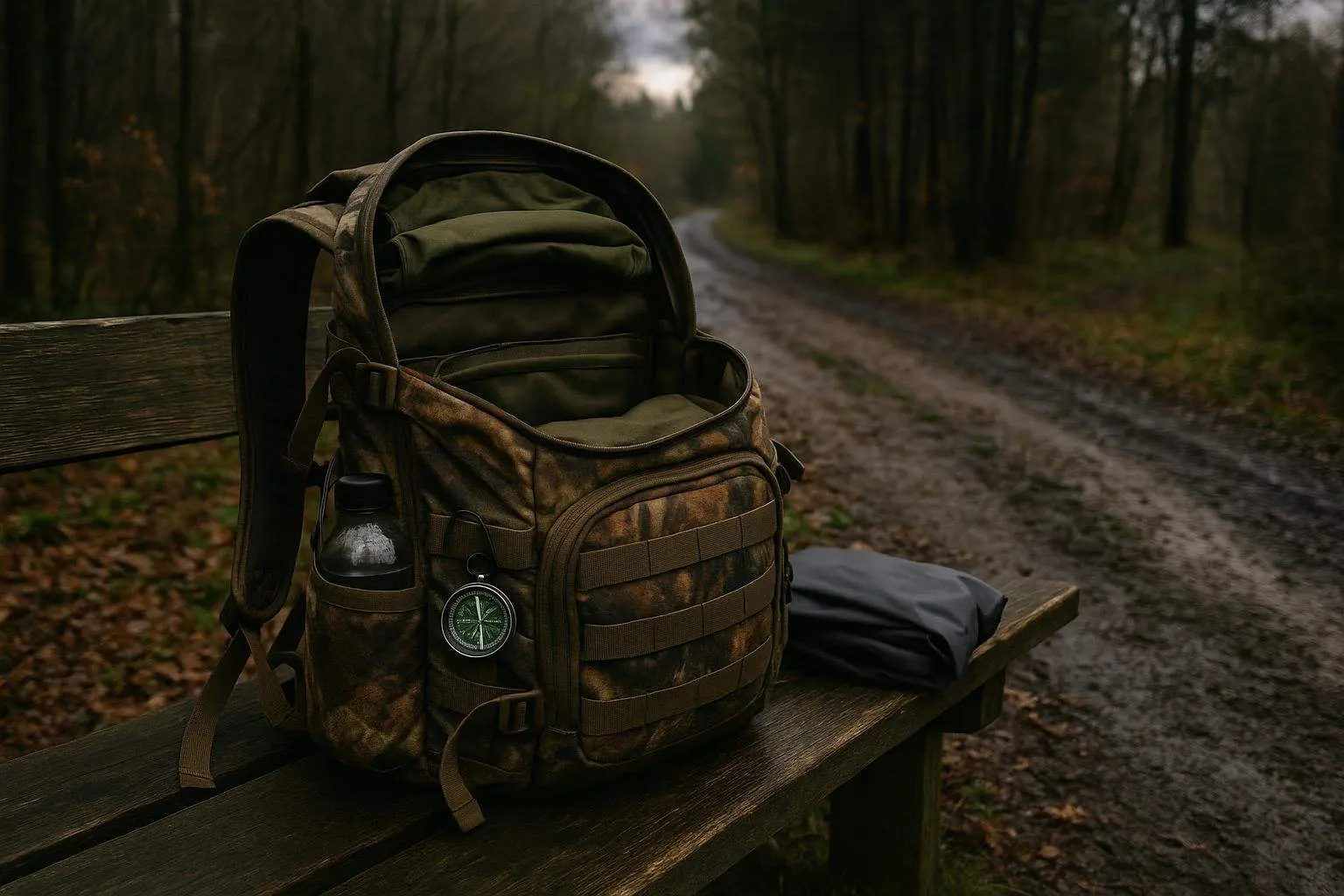
A Practical Gear Audit for a Safer, Lighter Day in the Field: The Basics Worth Getting Right
A strap breaks while you cross ground. The forecast turns colder than expected. Your phone is already low, on power. None of these things is dramatic on its own.. When distance, weather and fatigue build up small oversights become serious. A smart pre-trip check takes care of weight fixes spots and keeps the essentials close at hand. The goal isn't to carry gear or spend money. It's to build a setup that supports thinking from the step away from the vehicle to the last look at the ground.
Start with the route, weather and rules
Preparation starts before the gear goes in the pack. Check the route access points, expected weather and daylight hours for the return. Even a familiar area needs a look after storms, logging, floods or seasonal changes. Tell someone you trust where you are going. When you expect to come. Give them a plan that can shift if conditions get worse.
Confirm season dates, licensing rules, legal methods, bag limits, tagging or reporting duties, land permissions and local restrictions. Rules change. Old forum posts or social media advice might be wrong. Use guidance from the authority. Carry any documents or proof.
The route decides how backup you need. A short walk near access might only need an emergency layer and a bit of water. A remote, steep or wet area calls for margin-even if the trip is short. A common mistake is packing for the day's success while ignoring problems that could slow your return.
Separate essential functions from convenient extras
Lay everything out. Ask what each item does where it goes and what happens if it fails. Navigation, communication, weather protection, hydration, first aid, light, food and waste management should each have a place. An item with no job should go. If two things do the job pick the one that's easier to use with hands or poor visibility.
Check clothing for changing conditions, not one forecast. A moisture-wicking base layer, an insulating mid-layer and a wind- or rain-proof shell usually work better than one jacket. Avoid cotton next to the skin if dampness and cooling are likely. If the trip could run late. Include water crossings keep a layer in a sealed bag.
Footwear is a choice, not a status symbol. A sturdy boot may be best for ground and heavy loads. A lighter shoe might be better on paths and short walks. Fit grip, drying time and comfort matter more than brand name. New shoes on a day can cause blisters change how you walk and lead to tiredness.
Treat safety equipment as working equipment
A first-aid kit is only useful if it fits problems and can be reached fast. Check that dressings are dry medicines aren't. All items are understood before you leave. Add protection for foot hot spots instead of waiting for pain to change your pace.
Test the communication plan. A charged phone helps,. Coverage can be spotty and cold drains batteries fast. Keep emergency numbers and info. Consider a power bank for remote routes. A map and compass stay backups. Electronics can fail from damage, water or user error.
If you're carrying a firearm, bow or other regulated gear inspect it as the manufacturer recommends and follow the law. Rules for transport carrying and storage differ by area. Keep gear secured. Handle it when needed. Never. Change anything in the field. Safety isn't an item in the pack. It's a set of decisions made before fatigue or pressure sets in.
Make choices before the opportunity appears
Ethical hunting is easier when rules are set before the moment comes. Know which responsible shots you'll take, which conditions would make you pass and what you'll do if an animal isn't recovered away. Focus on skill, realistic range and careful identification. That way hope doesn't push you past judgment.
Think beyond the animal. Avoid nests, sensitive areas or wildlife hotspots. Follow access rules. Close gates. Don't pollute water. Pack out all trash- tape or food wrappers. Conservation shows up in acts: leaving a place respecting others and reporting issues the right way.
Don't assume a legal action is automatically responsible. Laws set the floor. Local conditions and habitat needs may require caution. Check guidance before each season. Check again if you move between areas. Rules, access and disease controls can change quickly.
Use this pack check
Before leaving do one check. Don't rely on memory:
– Route, weather, daylight and return plan reviewed
– Current licence, permission and regulations confirmed
– Phone charged backup navigation packed, emergency contact informed
– Water, food, layers, light and first aid
– Footwear, closures, straps and pack fabric inspected
– Hunting equipment functional legally carried and safely stored
– Waste bag included with a plan for any recovery
When you return don't just drop the pack. Dry wet layers. Clean mud from shoes. Replace used items. Recharge devices. Note what you didn't use what was hard to reach and what nearly broke. This quick, after-action review turns one trip's lessons into prep for the next. A lighter pack is good.. A dependable one is better.